|
|

|
|
|
Animal Info - Bougainville Monkey-faced Flying Fox(Other Names: Bougainville's Fruit Bat, Kunjulu, Puku)Pteralopex ancepsStatus: Critically EndangeredContents1. Profile ProfileThe head and body length of the genus Pteralopex is 255 - 280 mm (10 - 11 in). This species is the largest in the genus. Individuals have been observed roosting in a fig tree, approximately 12 m (40 ft) above the ground on a ridge at an altitude of 850 m (2800 ft) in primary rain forest. It may occur in a wide variety of habitats from coastal coconut plantations and lowland rain forest to mid-montane mossy forest. Throughout its range it occurs from sea level to 1900 m (6200 ft). This species of the genus Pteralopex probably has a diet similar to the other species of the genus, mainly based on nuts. One individual was shot at night while feeding on green coconuts. The Bougainville monkey-faced flying fox has been found only on Bougainville and Buka Islands in Papua New Guinea and Choiseul Island in the Solomon Islands. However, no sign of this bat was found during recent field work on Choiseul (1992) or on Buka in 1997. The decline of the Bougainville monkey-faced flying fox is due to increased human disturbance. Tidbits*** The Bougainville monkey-faced flying fox had mainly been known from specimens collected in the 1920's until 6 of the bats were observed during a 1995 survey (Bowen-Jones et al. 1997). *** The vast majority of people living on Choiseul, including those familiar with the forest, were not aware of this bat's existence (Bowen-Jones et al. 1997). *** The extremely long, woolly fur of the Bougainville monkey-faced flying fox offers good insulation from cool temperatures at the upper end of its altitudinal range. Status and TrendsIUCN Status:
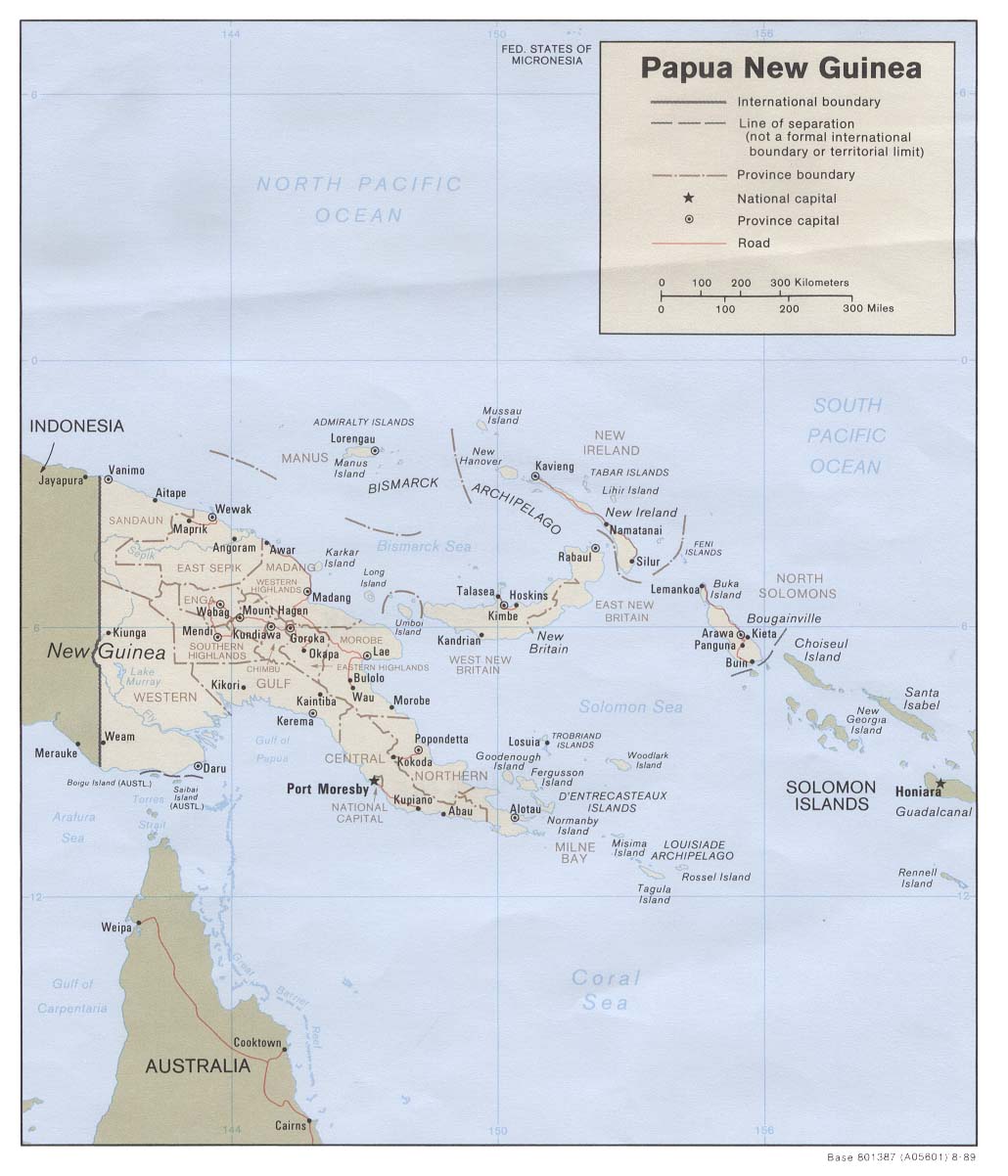
Countries Where the Bougainville Monkey-faced Flying Fox Is Currently Found:2004: Occurs in Papua New Guinea and Solomon Islands. (IUCN 2004) History of Distribution:The Bougainville monkey-faced flying fox has been found only on Bougainville and Buka Islands in Papua New Guinea and Choiseul Island in the Solomon Islands. However, no sign of this bat was found during recent field work on Choiseul (1992) or on Buka in 1997 (Bonaccorso 1998). Location Map (131 Kb JPEG) (Univ. Texas/Maps) Threats and Reasons for Decline:The decline of the Bougainville monkey-faced flying fox is due to increased human disturbance (Bonaccorso 1998). Data on Biology and EcologySize:
Habitat:
Gestation Period:
Birth Season:
Early Development:
Diet:
ReferencesBonaccorso 1998, Bowen-Jones et al. 1997, Cons. Intl. 2005, IUCN 1994, IUCN 1996, IUCN 2000, IUCN 2003a, IUCN 2004, Mickleburgh 1992, Nowak 1999, Nowak & Paradiso 1983, Univ. Texas/Maps Top of Page | Search This Site Home | Rarest Mammals | Species Index | Species Groups Index | Country Index | Links Last modified: March 2, 2005; |
|
© 1999 - 2019
Animal
Info. Endangered animals of the
world.
Contact Us.. |